
 By kurahan.com
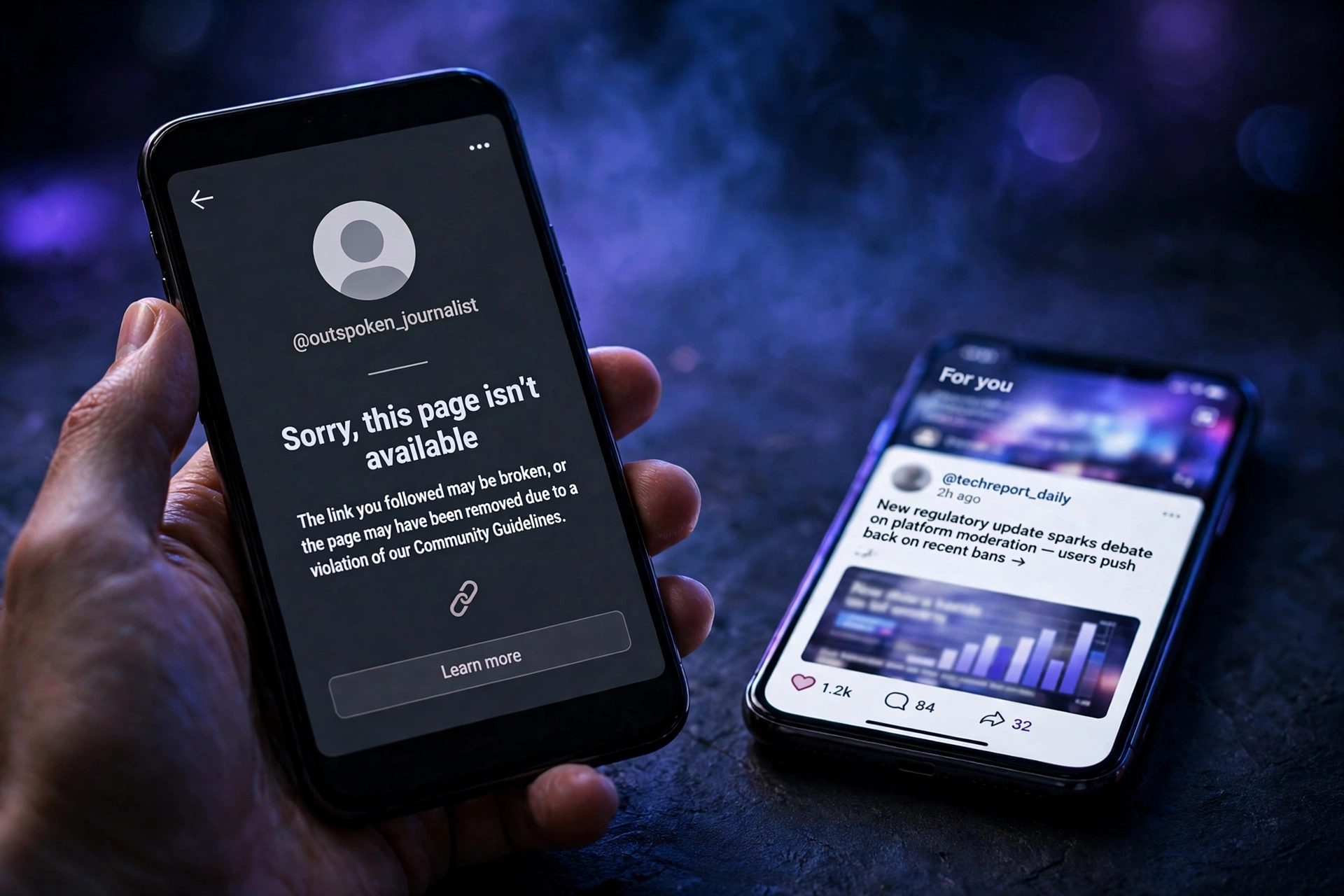
The Russell Brand Instagram ban is now official. Meta has removed the comedian’s Instagram and Facebook accounts, days after he was jailed for more than a decade at a London court. His Instagram page, followed by more than six million people, now shows a simple message: “Sorry, this page isn’t available.” But on X, where he has around ten million followers, his account is still live — and still posting. Two of the world’s biggest social platforms have looked at the same conviction and reached opposite conclusions.
What Happened in Court
The story behind the ban began in a courtroom, not on a social media feed. On November 5, a jury at Southwark Crown Court found the 51-year-old guilty of one count of rape, relating to an incident in 2009, and three counts of sexual assault against female television and radio workers between 2004 and 2009. He was found not guilty on three other counts after a four-week trial.
Four days later, on November 9, he was sentenced to ten years and six months in prison — nine years for the rape, with the assault sentences running consecutively to it. The judge described him as a sexual predator whose fame had protected him for years, and said he would be on the sex offenders’ register for life. He is expected to serve two-thirds of the sentence before being released on licence.
Why Meta Acted: The Russell Brand Instagram Ban Explained
Meta did not wait long. Screenshots shared from Brand’s own X account showed the removal took effect on Wednesday, November 10 — the day after sentencing. Instagram told him his account had been disabled because it “doesn’t follow our rules”, while Facebook said the page was suspended because “Russell Brand goes against our community standards.”
A Meta spokesperson confirmed to TMZ that the accounts were removed because they “violate our policies”. The policy behind the decision is Meta’s account integrity rule, under which the company restricts or disables accounts owned by a convicted sex offender. In other words, this was not a judgement about anything Brand posted. It was an automatic consequence of the conviction itself.
The scale of the removal is significant. Brand’s Instagram account had more than 6.2 million followers, and his Facebook page had over 5 million. In one move, Meta erased his direct line to more than 11 million people — an audience built over years of stand-up clips, wellness content and commentary.
X Took the Opposite Path
While Meta was deleting, X was doing nothing at all. Brand’s account on the platform, @rustyrockets, remains publicly accessible, and on November 11 it posted screenshots of Meta’s removal notices with the message: “There never was a Russell Brand, according to @Meta. Thank God for @elonmusk. Stay tuned.”
The split between the two companies is now total, and it is easy to see:
- Meta: Instagram and Facebook accounts removed under the convicted sex offender policy; 11 million followers cut off at once.
- X: account still active, still posting, with around 10 million followers intact.
- Elon Musk: publicly called the sentence “unjust” after it was handed down, and has previously expressed support for Brand.
- Streaming platforms: Netflix has said it will not remove Brand’s stand-up special “Re:Birth”, and his work remains on Max, Peacock, Disney+ and Hulu, according to Newsweek.
The result is a strange new reality for a disgraced celebrity in 2026: banned from the two biggest social networks in the world, yet still able to speak to millions on a third — one owned by a man who has publicly defended him.
What This Means for Social Media Moderation
The Russell Brand Instagram ban is a reminder that there is no single internet anymore — there are competing internets, each with its own rules about who gets to speak. Meta’s approach treats a serious criminal conviction as a hard line: once crossed, the account goes, regardless of how many followers it has or what it posts next. X’s approach treats the account as the person’s property, to be kept unless the platform itself decides otherwise.
Both positions have defenders. Supporters of Meta’s policy argue that a platform with billions of users cannot hand a convicted sex offender a built-in audience of millions, and that the rule protects victims and the public. Critics of bans like this argue that they push controversial figures toward platforms that will host them without question, concentrating extreme voices in one place rather than removing them from public life.
For ordinary users, the practical lesson is simpler: your social media presence is rented, not owned. An account with millions of followers can disappear overnight — not because of a post, but because of something that happened entirely offline. The platforms decide the terms, and the terms are not the same everywhere.
The Bottom Line
The Russell Brand Instagram ban shows how differently the big platforms now answer the same question. Meta decided a conviction ends the account. X decided it does not. And the streaming services decided the back catalogue stays. For Brand, the consequence is a fractured public life: erased from Instagram and Facebook, welcome on X, still watchable on Netflix. For everyone else, it is a clear look at where power now sits on the internet — not with the courts, which can jail a person but cannot delete their profile, but with the handful of companies that decide who gets a microphone. As this week’s YouTube redesign backlash showed, platforms move fast when they decide to change the rules — and the people affected rarely get a say. The question now is whether the other platforms follow Meta’s lead, or whether X becomes the permanent home for everyone the rest of the internet has banned.