
 By kurahan.com
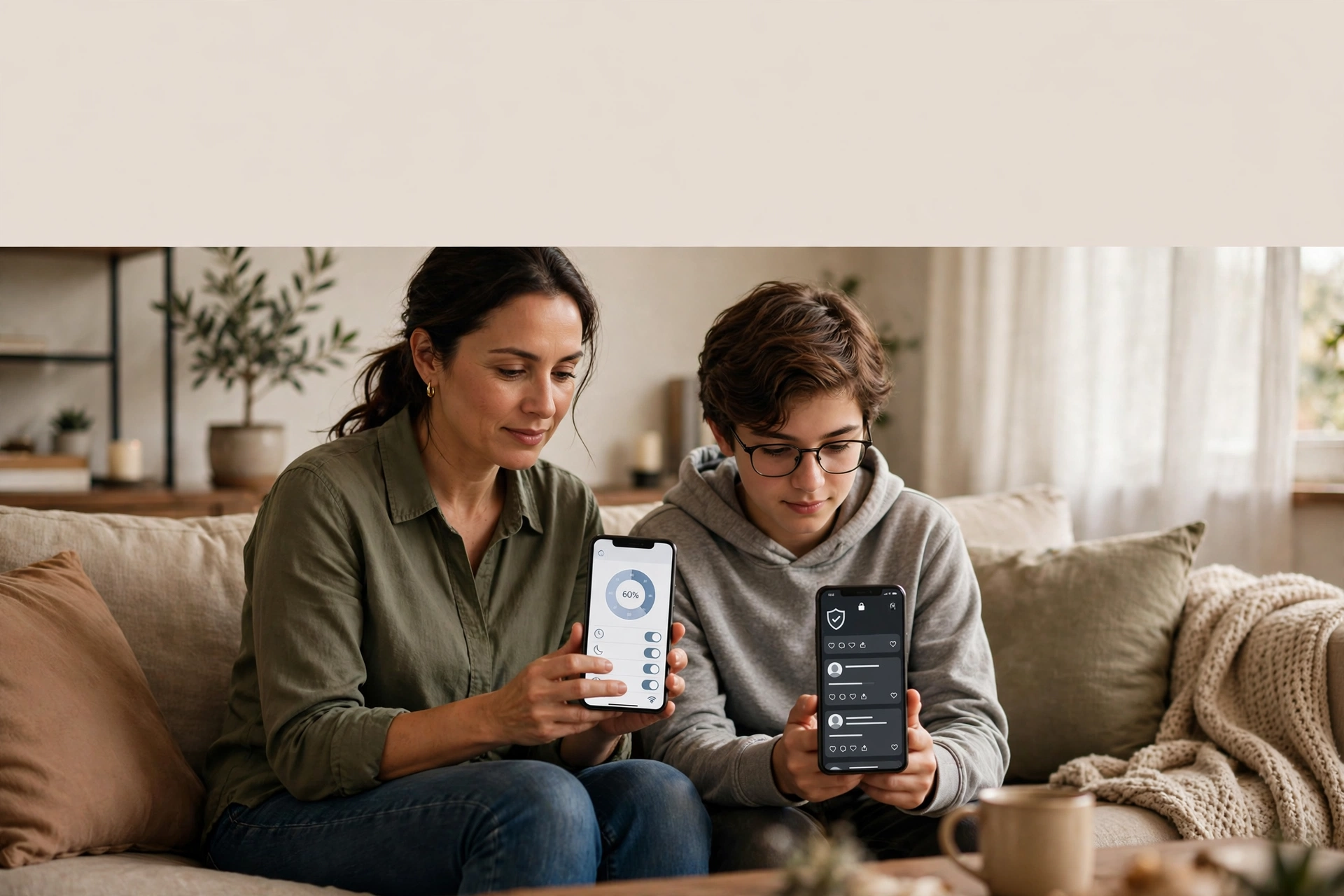
For twenty years, Twitter — now X — has been the odd one out: a platform teenagers could join at 13 with essentially no parental supervision tools at all. That changed this week. On Thursday, November 26, X announced its first-ever X parental controls for users aged 13 to 17, as regulators around the world tighten the screws on how social platforms treat young users.
The timing is no coincidence. Meta has just rolled out AI age checks globally, the EU has preliminarily found TikTok’s For You feed in breach of its Digital Services Act, and X’s own AI chatbot Grok has drawn legal scrutiny over sexualised deepfakes. X’s new tools look less like a sudden change of heart and more like a platform reading the regulatory writing on the wall.
What X Parental Controls Actually Do
The headline change is a new default: teen accounts now automatically sit in protected mode, with sensitive media restricted and targeted ads switched off before a parent touches a setting. Parents who link their account to a teenager’s get a set of tools on top of those defaults:
- Screen time: see how much time a teen spent on X over the past week and set a daily limit — once the limit is hit, access is blocked until the next day.
- Followers: require approval for new followers, which also makes the teen’s account private.
- The feed: limit For You recommendations to accounts the teen already follows, cutting out the algorithmic rabbit hole of strangers’ posts.
- Content filters: block specific words and switch off sensitive media entirely.
- Messages: control who can send the teen direct messages, and see which accounts they have chatted with one-on-one — without seeing the messages themselves.
Linking is two-sided: it starts with the parent and finishes with the teen, and both have to agree. One adult can supervise up to five teens; a teenager can be linked to only one adult. Supervision ends automatically at 18, and every change is visible to the teenager.
What Parents Can’t Do — and Why That Matters
X has drawn a firm line around teen privacy. According to the company, parents and guardians cannot read private messages, see searches or viewing history, post as their teen, or access the account itself.
That is a deliberate design choice, and it is a double-edged one. It respects a teenager’s privacy and avoids turning parental controls into surveillance — but it also means the most dangerous interactions, the ones happening inside private messages, stay invisible to the very people the tools are meant to help. Parents can see who their teen talked to, but not what was said.
There is also a conspicuous gap the announcement does not address: Grok. X’s AI chatbot has been at the centre of criticism and legal trouble over sexualised deepfakes — yet X has not said whether the new protected-mode defaults extend to Grok. For a platform whose biggest current child-safety headache is its own AI, that silence is hard to ignore. It fits a pattern: when Meta deleted Russell Brand’s Instagram and Facebook accounts after his rape conviction, X kept him online.
Why Now? The Regulators Changed the Maths
X itself is careful to say the platform “is not designed for or promoted to children” — but the calendar suggests regulation, not altruism, set the timetable.
Consider the last few months. In August, Meta agreed to pay up to $18 billion to settle claims from nearly all US states that Facebook and Instagram were designed to addict children. In November, Meta expanded AI age estimation globally to catch teens who signed up with adult birthdays. The EU, meanwhile, preliminarily found TikTok’s For You feed in breach of the Digital Services Act for steering users into harmful “rabbit holes”, with fines of up to 6% of global turnover on the table. Poland has drafted a law banning under-15s from social media outright. And in the US, Wisconsin sued TikTok over its addictive design for children.
X is the last of the major platforms to add parental controls, and it is doing so into a world where “we’re not for kids” is no longer an accepted defence.
What This Means for Parents and Teens
For parents, the honest assessment is that these controls are a genuine improvement on nothing — but they are a floor, not a ceiling. The daily time limit, follower approval and For You restrictions matter most, because they attack the two things that make the platform risky for young users: endless scrolling and contact from strangers.
For teenagers, the deal is unusually transparent: they keep ownership of their account, they must consent to supervision, and they can see every change.
The Bottom Line
X parental controls arriving in 2026 is both overdue and telling. Overdue, because every rival built these tools years ago; telling, because it took a wave of regulation — billion-dollar settlements, EU findings, age-check laws — to make it happen. Parents should turn the tools on: the defaults alone make a teen’s X safer than it was last week. But they should not mistake them for a solution. The private messages stay private, Grok stays unaddressed, and the platform that spent twenty years without parental controls does not become safe for teenagers overnight.